Chinese Poker vs Open Face Chinese Poker
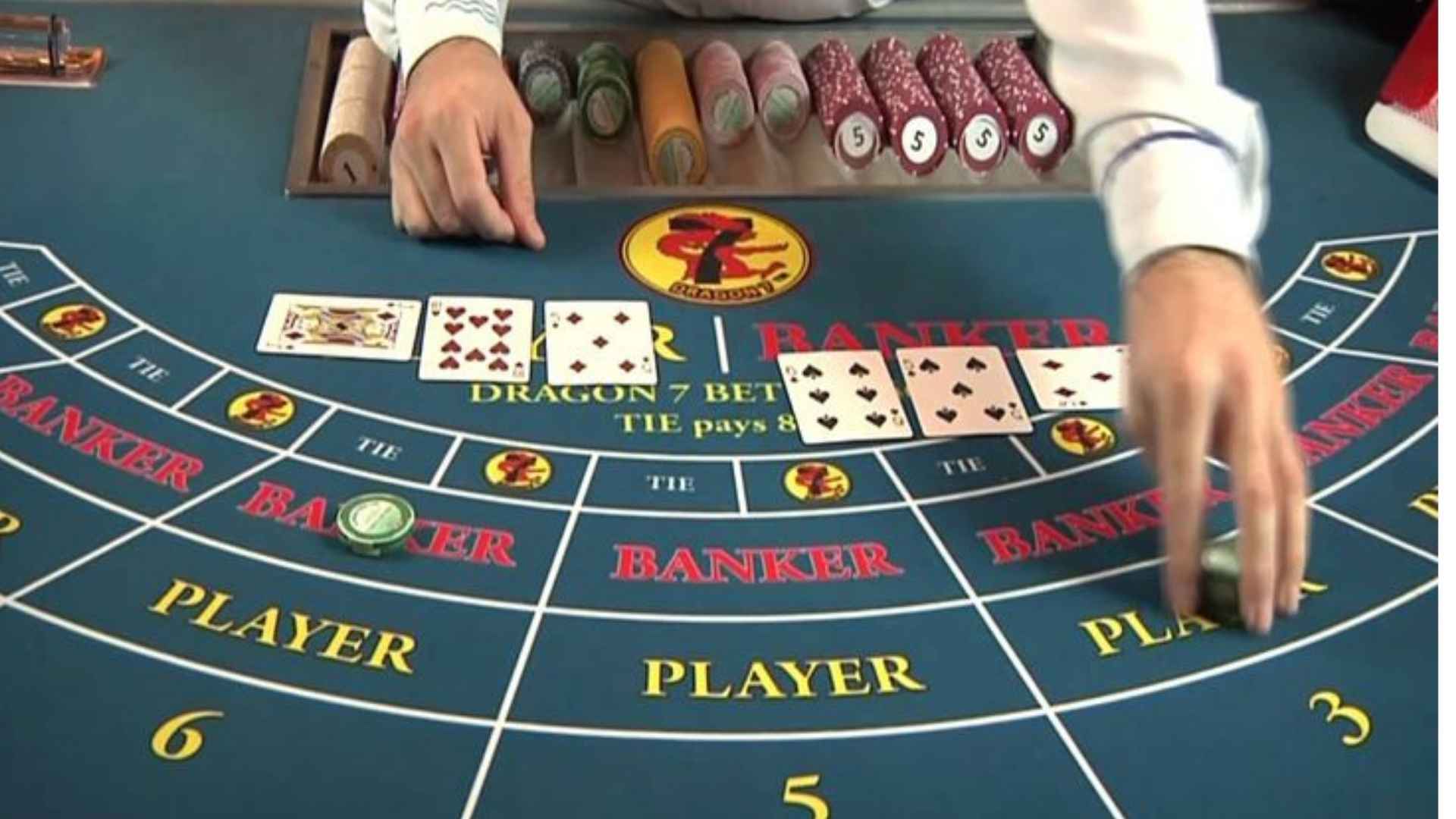
The card game landscape contains numerous fascinating variations, but few comparisons generate as much excitement as Chinese Poker versus Open Face Chinese Poker. While both games share a foundation built on traditional hand rankings and thirteen-card structures, they offer vastly different experiences in execution. Choosing between them depends heavily on whether you prefer hidden information or a fully transparent, highly tactical puzzle.
Understanding Traditional Chinese Poker
In classic Chinese Poker, players receive all thirteen of their cards at the very beginning of the hand. Each participant must then secretly divide their cards into three distinct hands consisting of a three-card front, a five-card middle, and a five-card back. The main challenge lies in ensuring that the back hand is stronger than the middle hand, which in turn must beat the front hand.
Once everyone has arranged their cards, the hands are revealed simultaneously and compared to determine scoring. This format heavily emphasizes hidden information, as you must anticipate your opponents' configurations without seeing any of their cards. It relies on a blend of mathematical logic and gut instinct to outmaneuver the table.
The Dynamic Shift to Open Face Chinese Poker
Open Face Chinese (OFC) Poker completely changes this dynamic by removing the element of secrecy from the dealing process. Players begin with just five cards dealt face up, which they must immediately place into their three row segments. The remaining cards are dealt one by one, forcing players to build their hands in plain sight of everyone else.
This turn-based open structure turns the game into an intense, puzzle-like experience of calculated risks. You are constantly watching your opponents' rows to see which cards are no longer available in the deck. To stay updated with alternative playing platforms and strategies for these modern variants, searching for a reliable m88.com login alternatif can connect you with excellent resources.
Fouling and the Thrill of Fantasyland
A major difference between these two popular variants is the severity and likelihood of making an illegal hand arrangement, known as fouling. In traditional Chinese Poker, fouling is relatively rare because you can see all thirteen cards at once and arrange them safely. In OFC, however, drawing cards one by one makes fouling a constant danger as you chase high-reward draws.
To balance this risk, OFC introduces a special bonus state known as Fantasyland, which rewards players who successfully set a powerful hand without fouling. When you qualify for Fantasyland, your next hand is dealt to you entirely in secret, momentarily bringing back the classic style. This addition creates a thrilling risk-versus-reward mechanic that keeps players highly engaged.
Which Variant Suits Your Playing Style?
Deciding which game to play depends on what kind of mental challenge you are searching for at the table. Traditional Chinese Poker is faster, quieter, and perfect for players who enjoy psychological guessing games and quick scoring rounds. It is an accessible choice for groups looking for a casual yet deep card game night.
On the other hand, Open Face Chinese Poker is ideal for those who love high-volatility decision-making and deep mathematical planning. The open cards demand complete concentration and a strong understanding of probabilities on every single turn. Whichever style you choose, both games offer a refreshing break from typical community card formats.